
When choosing tires for a city car, it’s important to consider not only the climate but also the specifics of urban driving. The question of whether to choose separate winter and summer tires or invest in high-end all-season tires is especially relevant for drivers whose routes are limited to city streets, where road conditions can vary. Let’s explore the pros and cons of each option to help you make the best choice.
Winter Tires: For Confident Winter Driving
Advantages of winter tires for the city:
- Excellent grip on snow and ice: Winter tires are specifically designed for cold conditions, which is especially important during the winter months. On icy and snowy roads, their rubber compound and tread pattern ensure strong grip, providing increased safety while driving.
- Better braking performance in winter: Deep treads with multiple sipes effectively channel away water, snow, and slush, improving braking distance and ensuring better stability on winter roads.
- Confidence in harsh winter conditions: In cities, freezing often occurs at intersections, sidewalks, and parking lots. Winter tires offer added confidence in these situations, especially when maneuvering.
Disadvantages of winter tires for urban use:
- Wear on dry roads in warm weather: Winter tires become too soft on warm pavement, which leads to increased wear when driving on asphalt during the summer or off-season.
- Need for seasonal replacement: In cities with distinct winter and summer seasons, you’ll need to change your tires twice a year — in fall and spring. This results in extra costs and inconvenience. In Ukraine, the price of seasonal tire changes can range from 800 to 3000 UAH per set (depending on the region and auto service).
Summer Tires: For Comfortable Driving in Warm Weather
Advantages of summer tires for the city:
- Excellent braking on dry and wet asphalt: Summer tires provide superior grip on dry and wet roads, making them ideal for urban summer driving.
- Fuel efficiency: Summer tires have lower rolling resistance, which helps reduce fuel consumption — a crucial factor for city driving.
- Resistance to overheating: Summer tires are more resistant to heat buildup, which is especially important during long drives on hot city asphalt.
Disadvantages of summer tires for urban use:
- Poor grip in winter conditions: On snow and ice, summer tires become dangerous. In case of sudden weather changes in the city, such as unexpected frost, they lose traction and increase the risk of accidents.
- Need for seasonal replacement: Like winter tires, summer tires also need to be swapped out when cold weather arrives, leading to additional costs and inconvenience.
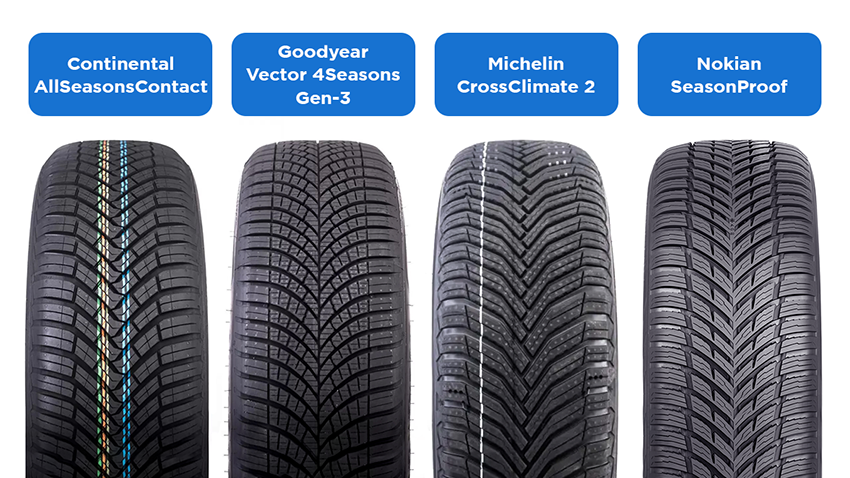
All-Season Tires for City Driving: A Compromise Option
Advantages of all-season tires for the city:
- Convenient year-round use: All-season tires are ideal for urban climates where winters are mild and summers are not excessively hot. They eliminate the need for seasonal tire changes, saving you time and money.
- Performance in moderate conditions: All-season tires provide decent road grip in conditions where temperatures rarely drop below -10°C in winter or rise above 30°C in summer. For most cities with a moderate climate, this is more than sufficient.
- Savings on seasonal changes: Since all-season tires don’t require frequent swapping, they reduce costs and make car maintenance more convenient.
Disadvantages of all-season tires for urban use:
- Subpar grip in extreme conditions: In severe frost or heavy snow, all-season tires perform worse than dedicated winter tires. In cities where winters bring frequent snowfall and icy roads, all-seasons may be less effective than specialized winter tires.
- Average performance in summer: In hot weather, all-season tires offer less grip compared to summer tires, especially at high temperatures. This can impact safety, particularly in heavy urban traffic.
Can High-Quality All-Season Tires Replace Mid-Range Winter Tires?
Many car owners wonder if a high-quality, expensive all-season tire can replace a mid-range winter tire. The answer depends on several factors, including the local climate, road conditions, and how intensively the car is used in winter.
A high-end all-season tire can indeed perform better in mild winter conditions than a cheaper winter tire. A well-designed all-season tire may feature a deeper and more advanced tread pattern, an improved rubber compound, and better grip at low temperatures. It can offer acceptable traction on snowy or wet roads and during mild frosts, making it a suitable option for those who do not face extreme winter conditions, such as icy roads or heavy snowfall.
However, mid-range winter tires, despite their lower price, will still generally outperform all-season tires in truly cold and snowy conditions. Winter tire treads are specifically engineered for such environments, and their rubber compounds stay soft even in sub-zero temperatures, which significantly improves traction.
If you live in a region with mild winters where harsh frosts and heavy snowfalls are rare, a high-quality all-season tire may indeed be a good alternative to mid-range winter tires. But for those who regularly face severe winter weather, dedicated winter tires remain the best choice. Also, find out how you can improve your car’s heating efficiency.