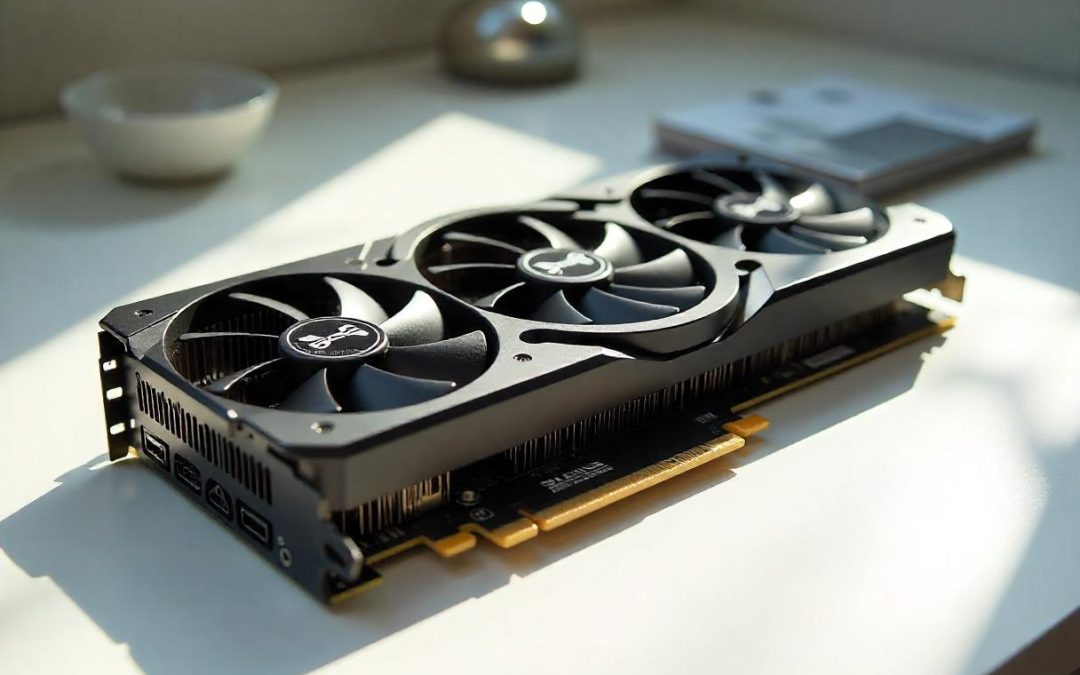
The memory bus width of a video card is a parameter that determines the width of the memory bus used for transferring data between the graphics processor (GPU) and the video memory (VRAM). The wider the memory bus, the more data can be transferred per clock cycle. This parameter directly impacts the performance of the video card, especially in tasks requiring high bandwidth, such as gaming, graphic processing, and video editing.
What is Memory Bus Width?
The memory bus in a video card is the channel through which data is transmitted between the GPU and VRAM. The bus width is measured in bits (e.g., 64-bit, 128-bit, 256-bit, and so on). The bus width affects the amount of information that can be processed simultaneously.
For example, if a video card has a 128-bit memory bus, it means that 128 bits of information can be transferred per clock cycle. In contrast, a 256-bit bus can transfer twice as much data in the same period.
How Do Bits Affect Memory Bandwidth?
Memory bandwidth is the amount of data that can be transferred between the GPU and VRAM in one second. It is calculated using the formula:
Memory Bandwidth = Memory Clock Speed × Memory Bus Width / 8
Here, “Memory Clock Speed” is measured in megahertz (MHz), and the memory bus width is in bits. Dividing by 8 converts bits to bytes (1 byte = 8 bits).
For example, if a video card has a memory clock speed of 7000 MHz and a 256-bit bus width, the memory bandwidth would be:
Memory Bandwidth = 7000 × 256 / 8 = 224,000 MB/s or 224 GB/s
Higher bandwidth allows data to be transferred to the GPU faster, enabling the video card to process more information per unit of time.
Impact of Bits on Video Card Performance
- Gaming Performance: Memory bus width is crucial, especially at higher resolutions and with high-quality textures. For instance, 4K resolution requires significantly more data transfer than Full HD. A narrow memory bus may struggle to handle the data flow, leading to decreased FPS (frames per second) and latency issues.
- Handling Complex Textures and Graphics Effects: Modern games use numerous high-resolution textures for complex scenes, demanding high bandwidth. Video cards with wider memory buses can process such data faster, ensuring smoother gameplay.
- Video Editing and Rendering: In tasks like video editing and 3D rendering, memory bus width plays a critical role. Large data volumes, such as high-resolution frames or complex scenes, require fast transfers between VRAM and GPU. A narrow memory bus can become a bottleneck and slow down these tasks.
- Virtual Reality (VR): VR applications demand high performance and minimal latency. Insufficient memory bus width can hinder the GPU’s ability to process data efficiently, affecting the smoothness and quality of VR applications.
Memory Bus Width and VRAM Capacity
Many users confuse memory bus width with VRAM capacity. While both parameters are important, they serve different functions:
- VRAM Capacity determines the amount of data that can be loaded into memory simultaneously (e.g., textures, models, shaders).
- Memory Bus Width dictates how quickly data can be transferred between memory and the GPU. Even with ample VRAM, a narrow memory bus can limit performance.
Choosing a Video Card Based on Memory Bus Width
When selecting a video card, consider these aspects:
- Screen Resolution: For Full HD gaming (1920×1080), a 128-bit or 192-bit bus width may suffice. However, for 2K and 4K resolutions, opt for cards with a 256-bit bus width or higher to avoid performance bottlenecks.
- Intended Use: For professional tasks like 3D modeling or video editing, memory bus width becomes critical. Opt for cards with high bandwidth for such tasks.
- Balancing Specifications: Memory bus width should be balanced with other card specifications like VRAM capacity and memory clock speed. For example, a 256-bit bus and 7000 MHz memory clock speed ensure high bandwidth, but GPU power should also be considered.
The memory bus width in a video card is a key parameter affecting the speed of data transfer between the GPU and VRAM. It determines the performance of the video card in gaming, video processing, and other graphically intensive tasks. When choosing a video card, consider the bus width alongside other specifications to achieve optimal performance for your needs. Remember, selecting the right video card ensures not only high performance but also comfortable use of modern technologies.